
15th February 2026
Illuminating the Depths: The Ultimate Guide to Aquarium Lighting
Whether you are setting up your very first starter tank or you are a seasoned aquarist planning a massive reef display, one of the most critical decisions you will make is choosing the right lighting.
For a long time, aquarium lights were simply an afterthought—a way for us to see our fish. But as the hobby has evolved, so has our understanding of aquatic ecosystems. Today, aquarium lighting is a blend of high-tech engineering and biological science.
Let’s dive deep into exactly why aquarium lighting is so crucial and break down the many different types of lights available to help your underwater world thrive.
Why is Aquarium Lighting Actually Needed?
It is easy to assume that lights are just there so we can admire our aquatic pets. While aesthetics are a big part of it, lighting serves several vital biological functions.
- Photosynthesis for Plants and Corals: If you keep live aquatic plants or reef-building corals, light is literally their food source. Plants rely on light to convert carbon dioxide into oxygen and energy. Corals house symbiotic algae called zooxanthellae inside their tissues, which require intense, specific spectrums of light to photosynthesize and feed the coral.
- Regulating the Biological Clock (Circadian Rhythm): Just like humans, fish and invertebrates need a regular day-and-night cycle to stay healthy. A consistent light schedule regulates their feeding habits, spawning behaviors, and resting periods. Without a proper cycle, fish become stressed, lethargic, and more susceptible to disease.
- Enhancing Color and Viewing: The right spectrum of light makes the iridescent blues of a Neon Tetra or the glowing greens of a Hammer Coral pop. Specific lighting spectrums are designed to enhance the natural pigmentation of your livestock, turning a dull tank into a living piece of art.
Decoding the Jargon: PAR and Spectrum
Before looking at the types of lights, it is helpful to understand two terms you will see on almost every high-end light fixture’s box:
- PAR (Photosynthetically Active Radiation): This measures the actual amount of light energy available to plants and corals for photosynthesis. The old rule of “watts per gallon” is outdated; today, PAR is the gold standard for measuring light intensity.
- Spectrum (Kelvin): Measured in Kelvin (K), this describes the color temperature of the light. Freshwater planted tanks thrive around 6500K to 7000K (which mimics natural, shallow daylight). Saltwater reef tanks usually require 10,000K to 20,000K+ (a much bluer light that mimics the deep ocean and penetrates water better).
The Many Types of Aquarium Lighting
The aquarium industry has seen a massive shift in lighting technology over the last decade. Here is a detailed breakdown of what is out there, from the old reliable workhorses to the modern standard.
1. LED (Light Emitting Diodes)
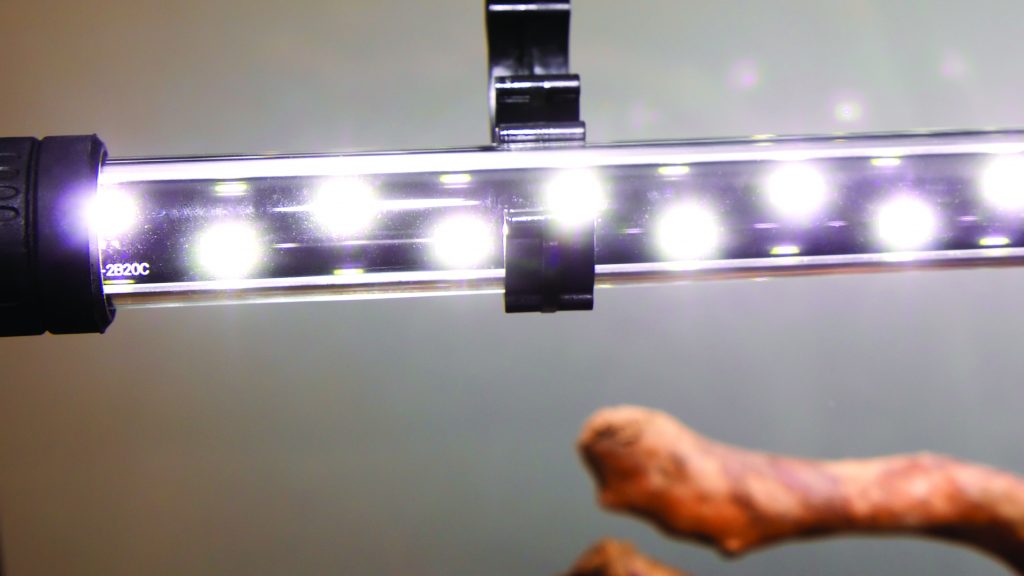
LEDs are the undisputed king of modern aquarium lighting. Unless you have a highly specific edge case, an LED fixture is almost always the best choice for today’s aquarist.
- The Pros: Highly energy-efficient, generate very little heat into the water, and last for tens of thousands of hours without needing replacement. Many modern LEDs are fully programmable via smartphone apps, allowing you to mimic sunrises, sunsets, and even passing thunderstorms. They also create a beautiful “shimmer” effect in the water that mimics natural sunlight.
- The Cons: High-end, reef-capable LED fixtures require a significant upfront investment.
- Best For: Everything. From basic fish-only tanks to the most demanding high-tech planted and SPS coral reef tanks.
2. T5HO (High Output Fluorescent)
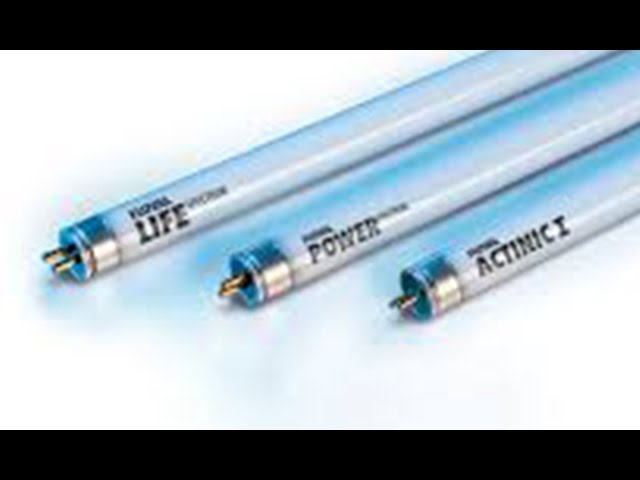
Before LEDs took over, T5HO was the gold standard for reef and planted tank keepers. These are slim, tubular fluorescent bulbs that pump out a massive amount of light.
- The Pros: They provide incredibly even light distribution across the entire tank, eliminating shadows. The spectrum is “proven” to grow corals and plants beautifully.
- The Cons: They consume more electricity than LEDs and transfer some heat to the water. The biggest drawback is that the bulbs degrade over time and must be replaced every 9 to 12 months, which becomes an ongoing expense.
- Best For: Aquarists who want proven, reliable growth and don’t mind changing bulbs, or as “hybrid” setups where T5s are combined with LEDs to reduce shadowing.
3. Metal Halide
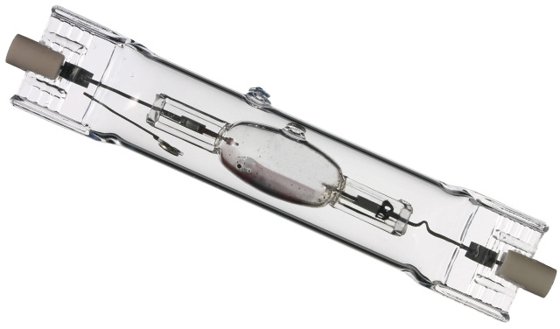
Metal halides are the old-school powerhouses of the aquarium hobby. They consist of a large bulb inside a reflective pendant and are capable of punching intensely bright light all the way to the bottom of very deep tanks.
- The Pros: Unmatched intensity and a stunning, natural shimmer effect. If you have a tank deeper than 30 inches and want to grow high-light corals on the sandbed, halides will get the job done.
- The Cons: They run incredibly hot. Using metal halides often requires buying an expensive aquarium chiller just to keep the water temperature safe. They consume massive amounts of electricity, and the bulbs are expensive to replace yearly.
- Best For: Extremely deep reef tanks or public aquarium displays. They are largely obsolete for the average home hobbyist today.
4. Compact Fluorescent (CFL)
CFLs were a stepping stone between standard fluorescent tubes and LEDs, often used in smaller “nano” tanks.
- The Pros: Inexpensive and easy to find in standard hardware stores (if using standard socket fixtures).
- The Cons: They lose their spectrum quickly, run fairly hot for their size, and are incredibly inefficient compared to LEDs.
- Best For: Budget micro-tanks or refugiums hidden in the sump. Otherwise, they have been almost entirely replaced by small LED clip-on lights.
5. Standard Output Fluorescent & Incandescent
You may still see standard fluorescent tubes (T8s) sold in cheap starter kits at big-box pet stores. Incandescent bulbs (the old-fashioned glass bulbs with a filament) are almost extinct in the hobby.
- The Verdict: Avoid these if you want to grow anything alive. They are strictly for viewing fish in very low-budget setups, and incandescent bulbs produce far too much heat for small tanks.
Choosing the Right Light for Your Setup
To simplify your shopping list, match your tank’s goal to these general guidelines:
- Fish-Only Tanks: You only need enough light to see your fish and maintain their day/night cycle. A basic, budget-friendly LED strip is perfect.
- Low-Tech Planted Tanks: Opt for a mid-range LED marketed for planted tanks. Look for a spectrum around 6500K with dedicated red and blue diodes to encourage plant growth.
- High-Tech Planted / Reef Tanks: This is where you need to invest. Look for high-output, programmable LEDs or a T5HO fixture. You will need to carefully research the PAR requirements of the specific corals or demanding carpet plants you intend to keep.
Investing in the right lighting from day one will save you money, prevent algae outbreaks, and keep your aquatic life thriving.